
Select the solution
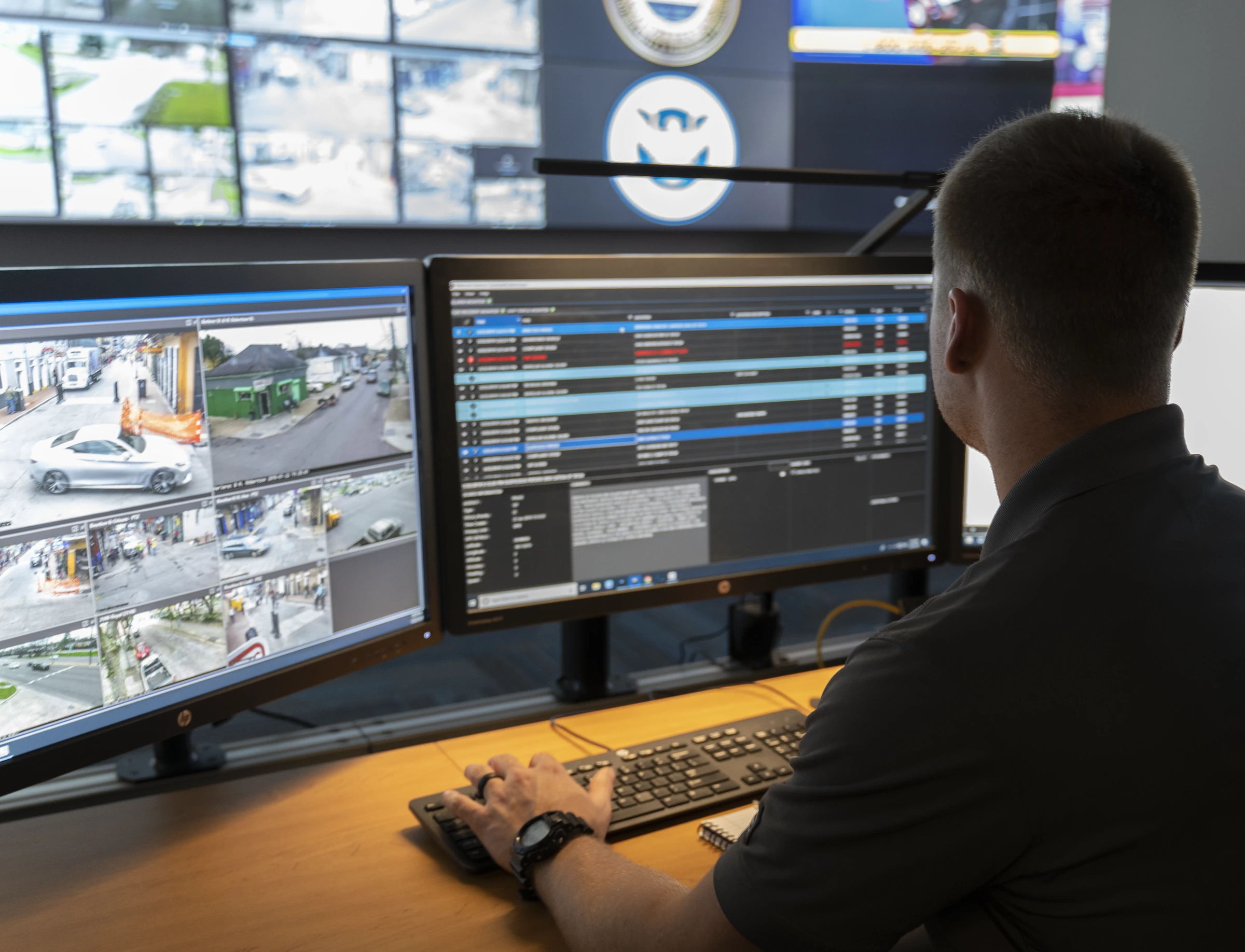
Professional communication systems
Motorola solutions
for an operation that is
safer, connected
and efficient.
From voice communication to dispatch, monitoring, data integration and critical coverage. ABC Mais Telecom designs, implements and supports Motorola Solutions systems for businesses of all sizes.
- More
safety - More
efficiency - More control
for your operation
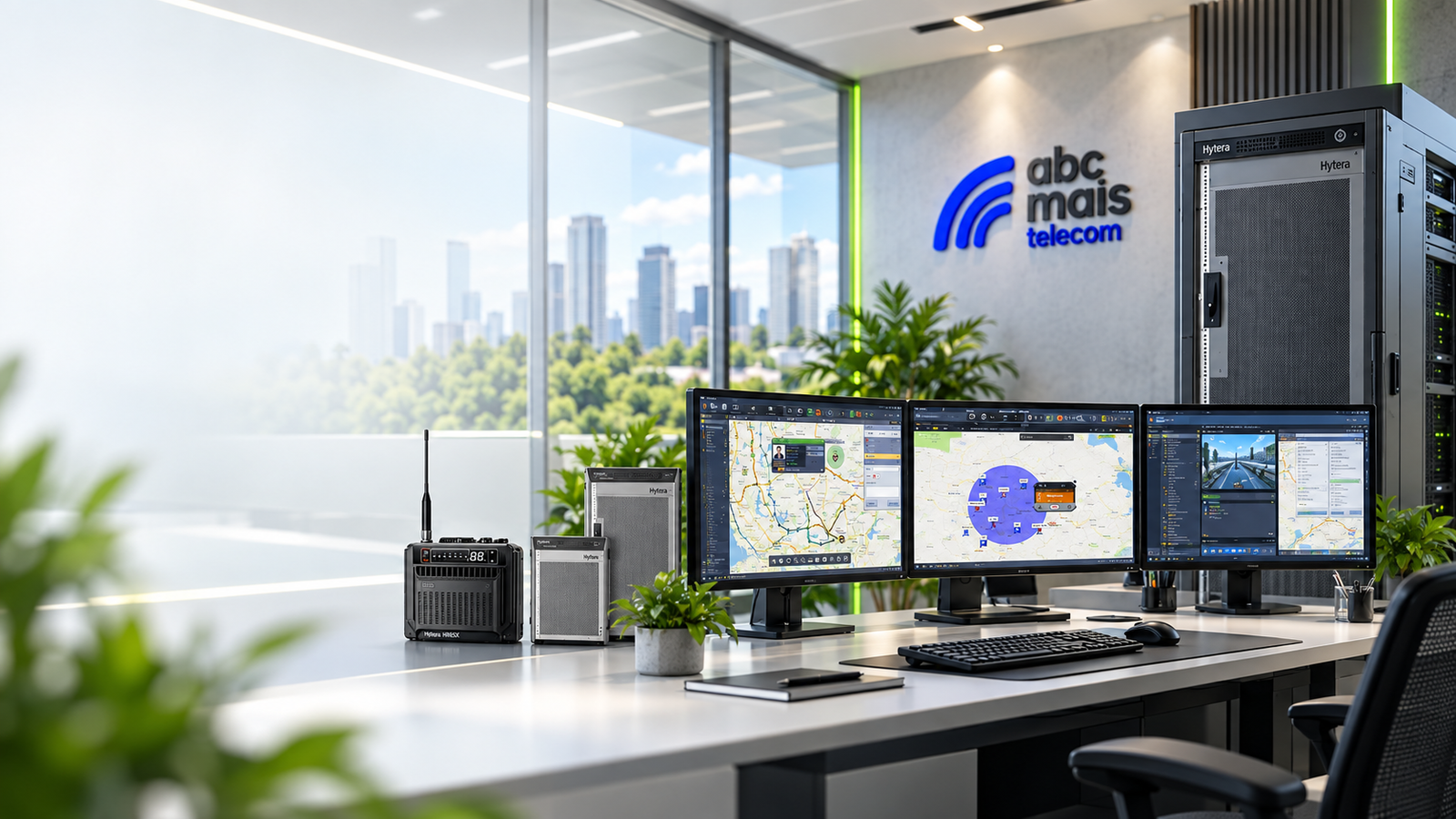
Professional communication systems
Systems Hytera
for operations
connected.
ABC Mais Telecom integrates Hytera radio, network and dispatch solutions, connecting teams and information according to your operation's needs.
- Coverage
planned - Performance
operational - Integration
between teams
Complete, integrated solutions
Motorola Solutions systems for an operation that cannot stop.
Communication, dispatch, monitoring and integration organized around your operation. Explore the role of each solution and learn more about the requirements on the technical pages.
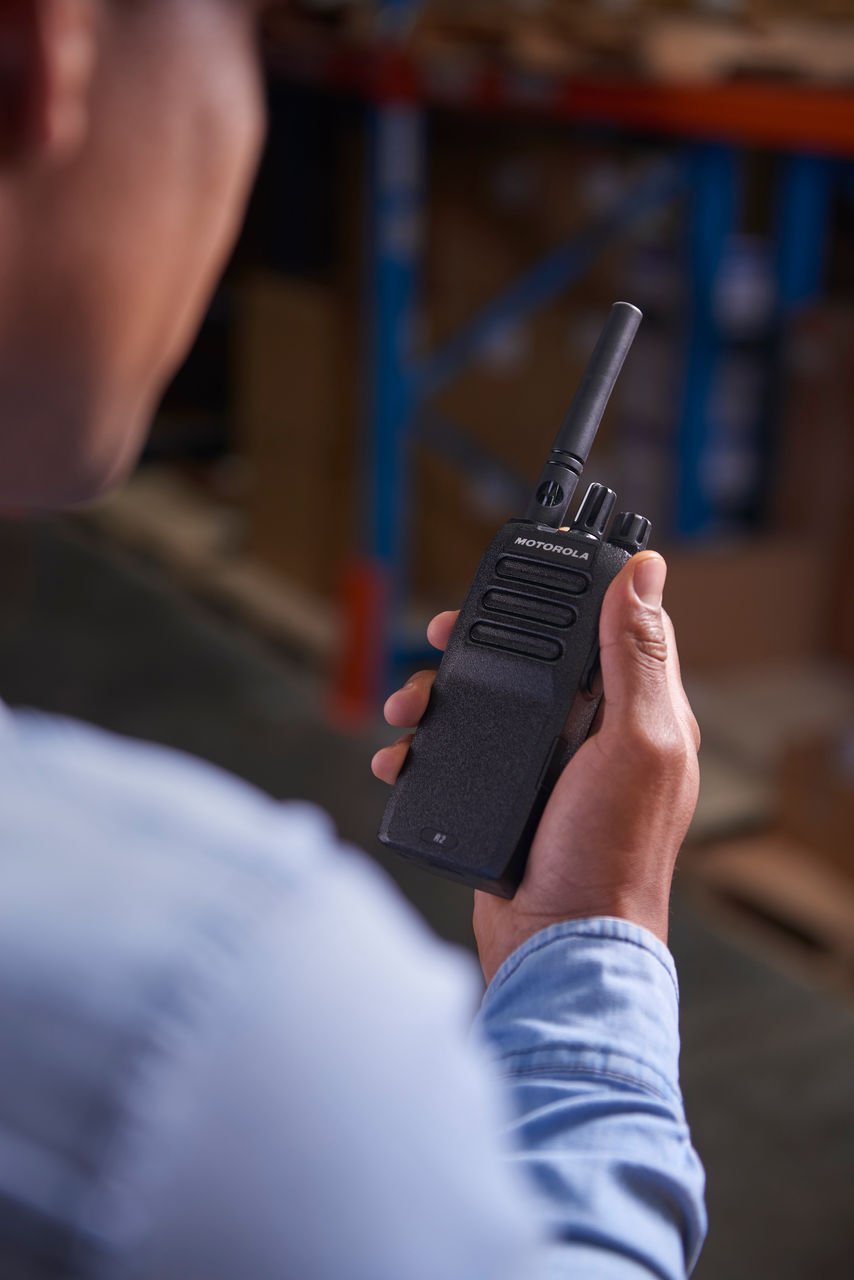
MOTOTRBO systems
Digital voice and data networks: from a single site to communication between sites.
- IP Site Connect: IP interconnection
- Capacity Plus: capacity
- Capacity Max: trunking
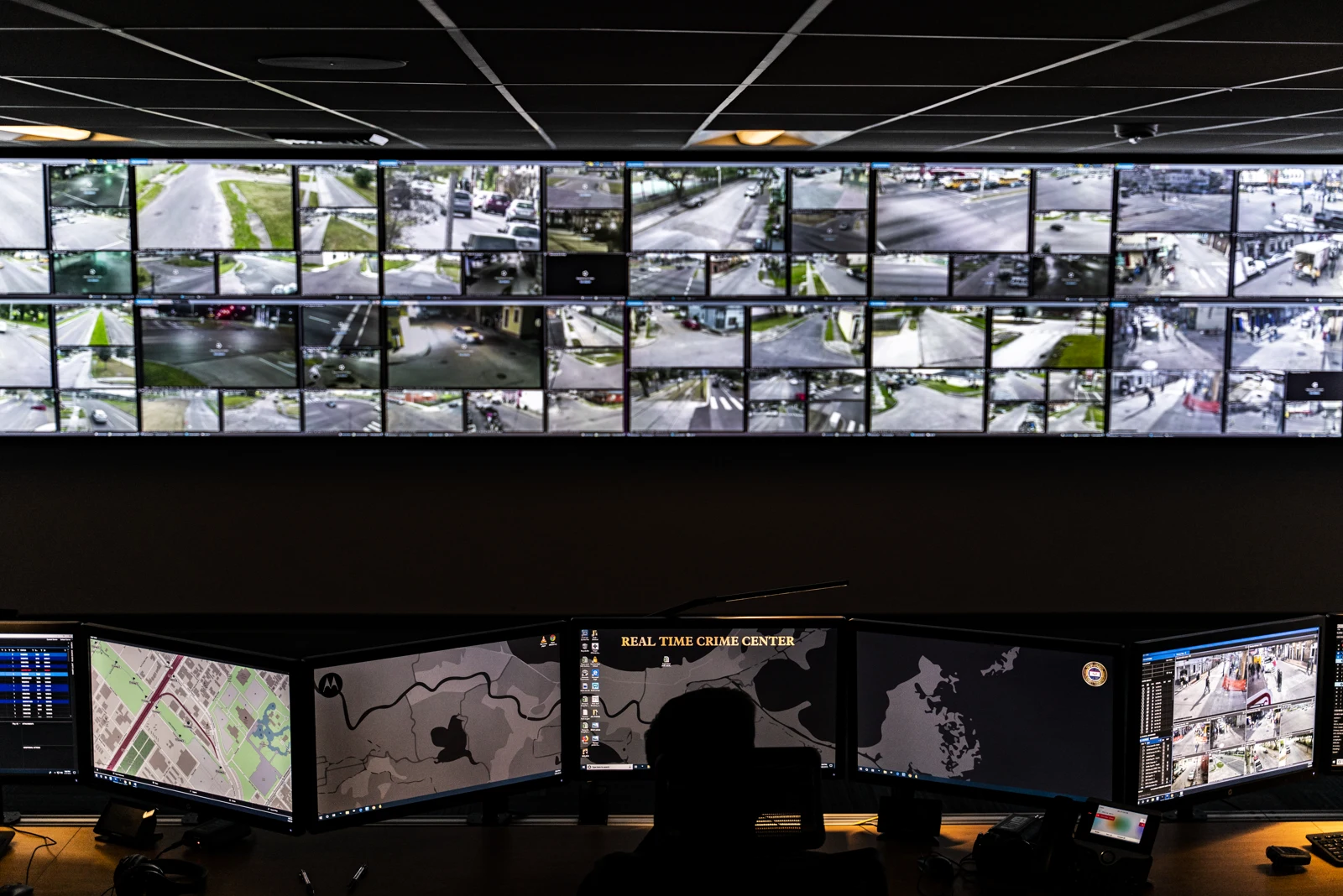
Command Center
PremierOne CAD connects incident intake to resource dispatch in public safety operations.
- Incidents and resources
- Data-driven dispatch
- Control center integration
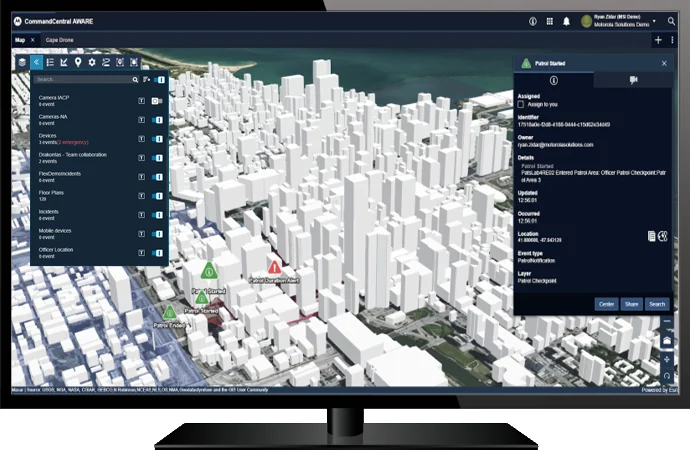
CommandCentral Aware
Operational map bringing together video, incidents and location to give context to control center decisions.
- Maps and geofences
- Integrated video and events
- Access by operator profile
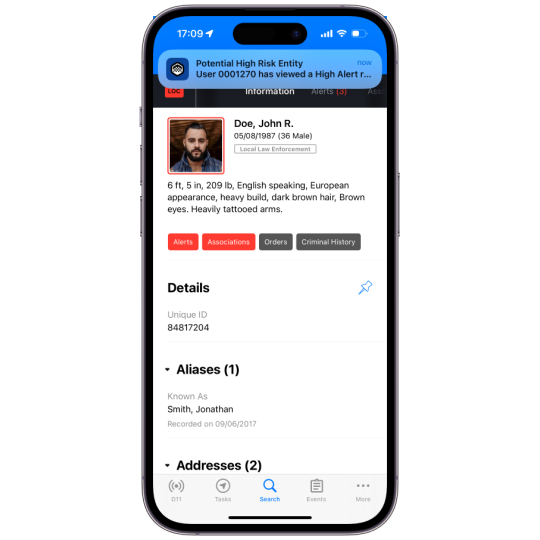
Field Response & Reporting
CAD information and queries about people, vehicles and locations for public-safety professionals in the field.
- Dispatch information
- Mobile queries and records
- Integration with the control-center workflow
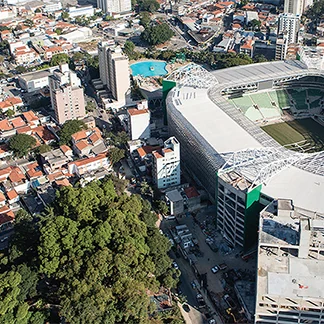
LTE Deployable Infrastructure
Private LTE network infrastructure to extend connectivity to remote sites and temporary operations.
- LXN 6000 and LXN 505
- Mobile and transportable options
- Network and backhaul designed for the project
For businesses of every size
World-class technology with the close support you need.
Whether for a local operation, multiple sites or large-scale critical environments, ABC Mais Telecom develops the project around the required coverage, traffic and continuity.
Works for small and medium-sized businesses
Architecture sized to match the need and investment.
Start simple and expand
Capacity and coverage evolve as the operation grows.
Integration between teams
Radio, dispatch, data and video through compatible interfaces.
Deployment, training and support
From network configuration to preparing the people who will use it.
Applications across different sectors
Logistics, security, industry, facilities and services.
Operations that are
safer.
Businesses that are
stronger.
From planning to results
A complete process for your operation's success.
From the initial assessment to support, every stage considers the operation, network and required integrations.
Assessment
We understand your operation and its challenges.
Design
We design the architecture for your situation.
Deployment
We install and integrate the components.
Configuration
We adjust features, profiles and parameters.
Training
We prepare the team to use the system.
Support
We support the continuity of your operation.
Solutions that deliver results
Greater efficiency in every operation.
We apply technology to the team's environment and daily work: clear communication, coordination and information for decision-making.

Logistics and Transport
Communication between yards, warehouses, dispatch areas and transport teams.

Property Security
Coordination of patrols, incidents and teams with control center support.

Industry
Communication between production, maintenance and operational areas.

Facilities and Services
Connected service, maintenance and security teams.
Shall we talk?
Design with experts
in critical communication.
Tell ABC Mais Telecom's specialists how your operation works.
Complete solutions for your operation
Hytera technology for a safer, more efficient world.
From dispatch to the end user, networks and applications that adapt to your needs, with sizing, integration and specialist support.

Repeaters and DMR Systems
Conventional repeaters and trunking networks to distribute calls and connect teams at different sites.
- HR series repeaters
- XPT: channel allocation
- DMR Tier III: trunking
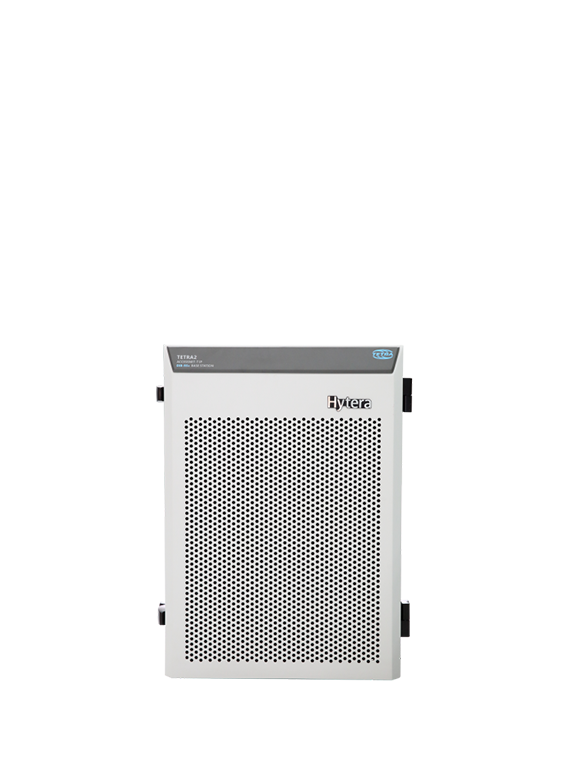
TETRA systems
ACCESSNET-T IP: TETRA infrastructure for mission-critical voice and data, with base stations and network management.
- ACCESSNET-T IP architecture
- DIB base stations
- Redundancy designed for the project
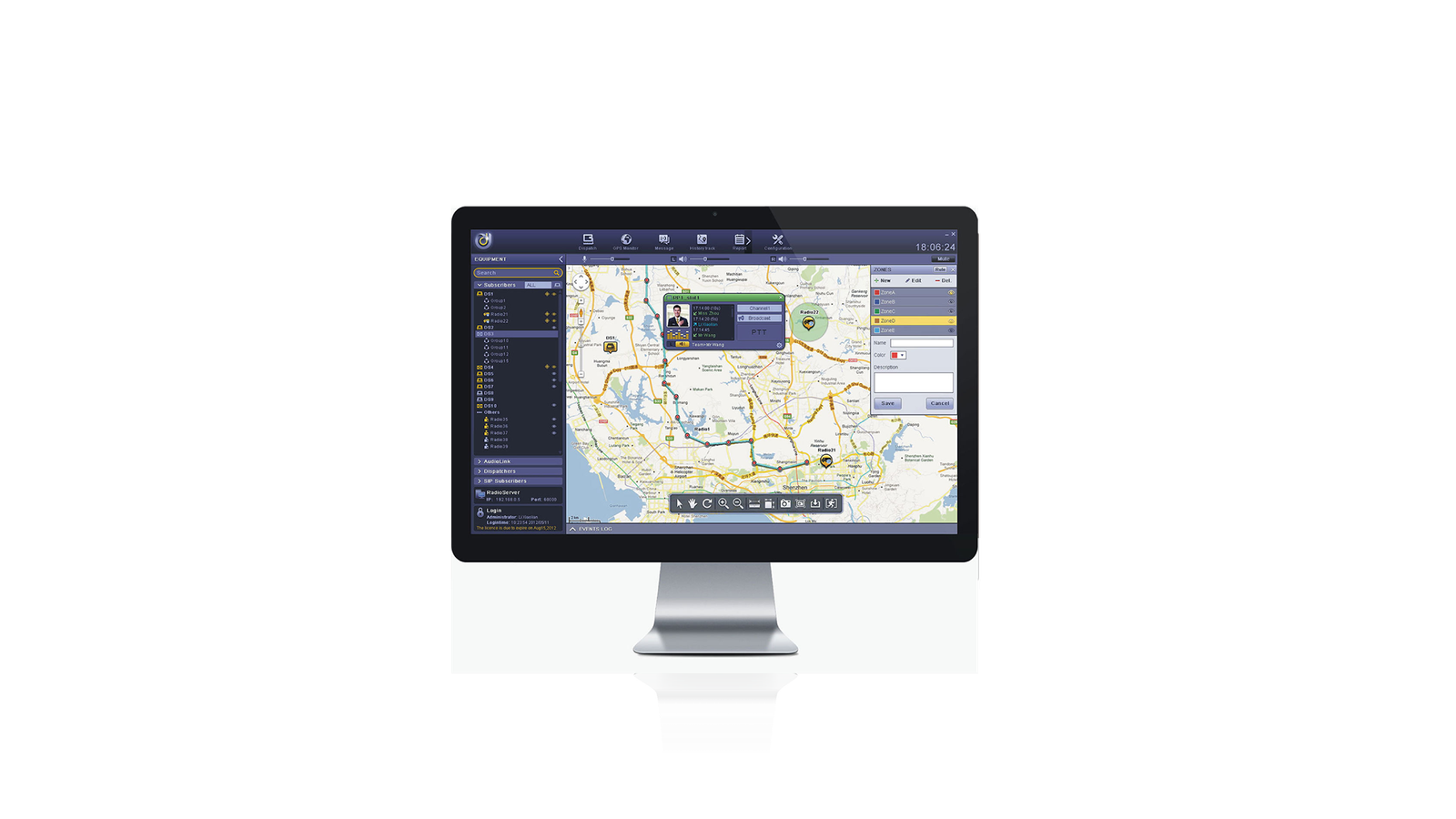
SmartDispatch Plus
DMR dispatch center for calling groups, tracking routes and recording operational communication.
- GPS and route playback
- Calls and voice recording
- Alarms and geofences
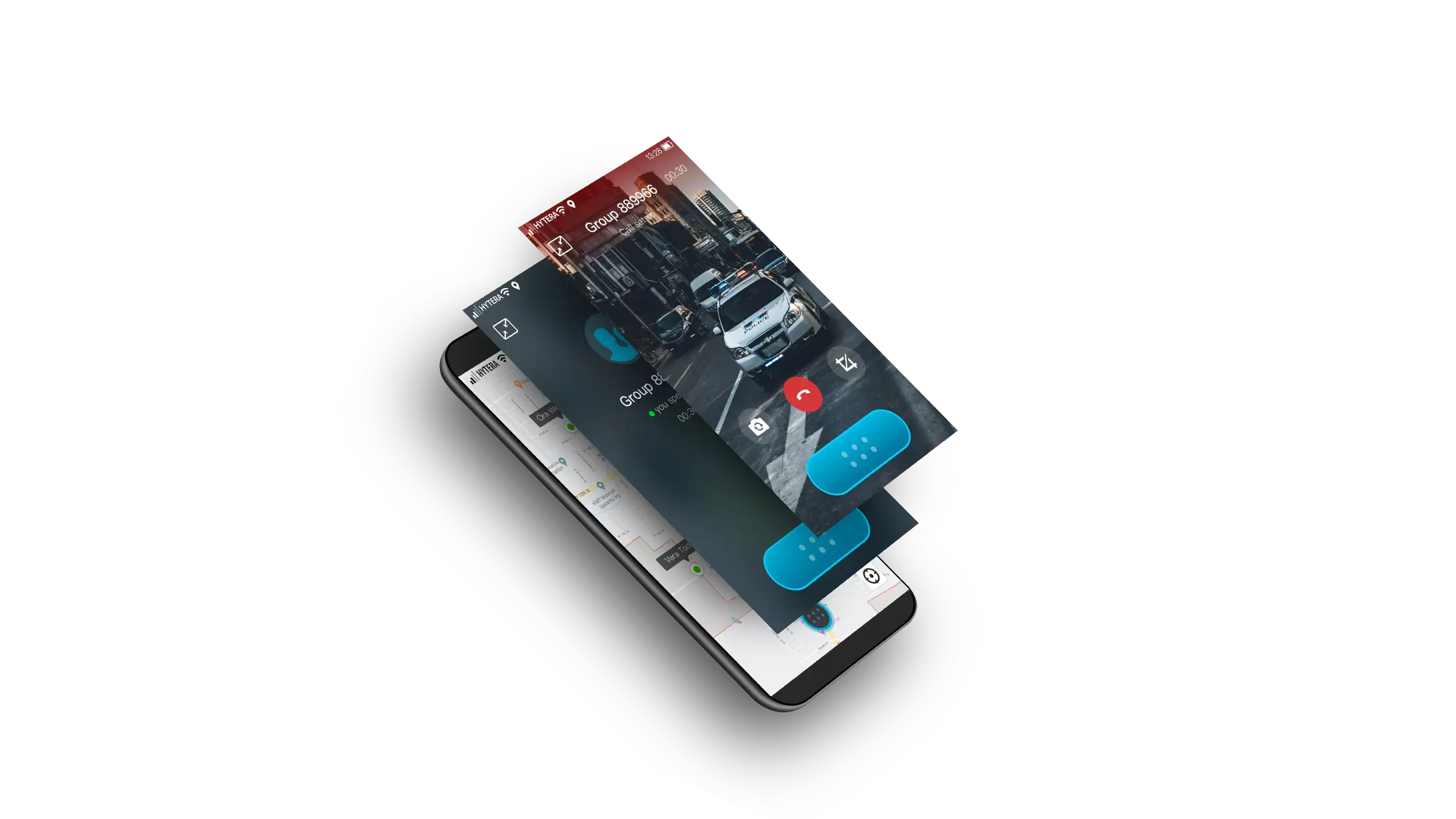
HyTalk / HALO multimedia platforms
Broadband communication: PoC, convergence with PMR radio and mission-critical services are distinct architectures.
- HyTalk: PoC over mobile networks
- HyTalk Pro: PMR + broadband
- HyTalk MC: MCX services
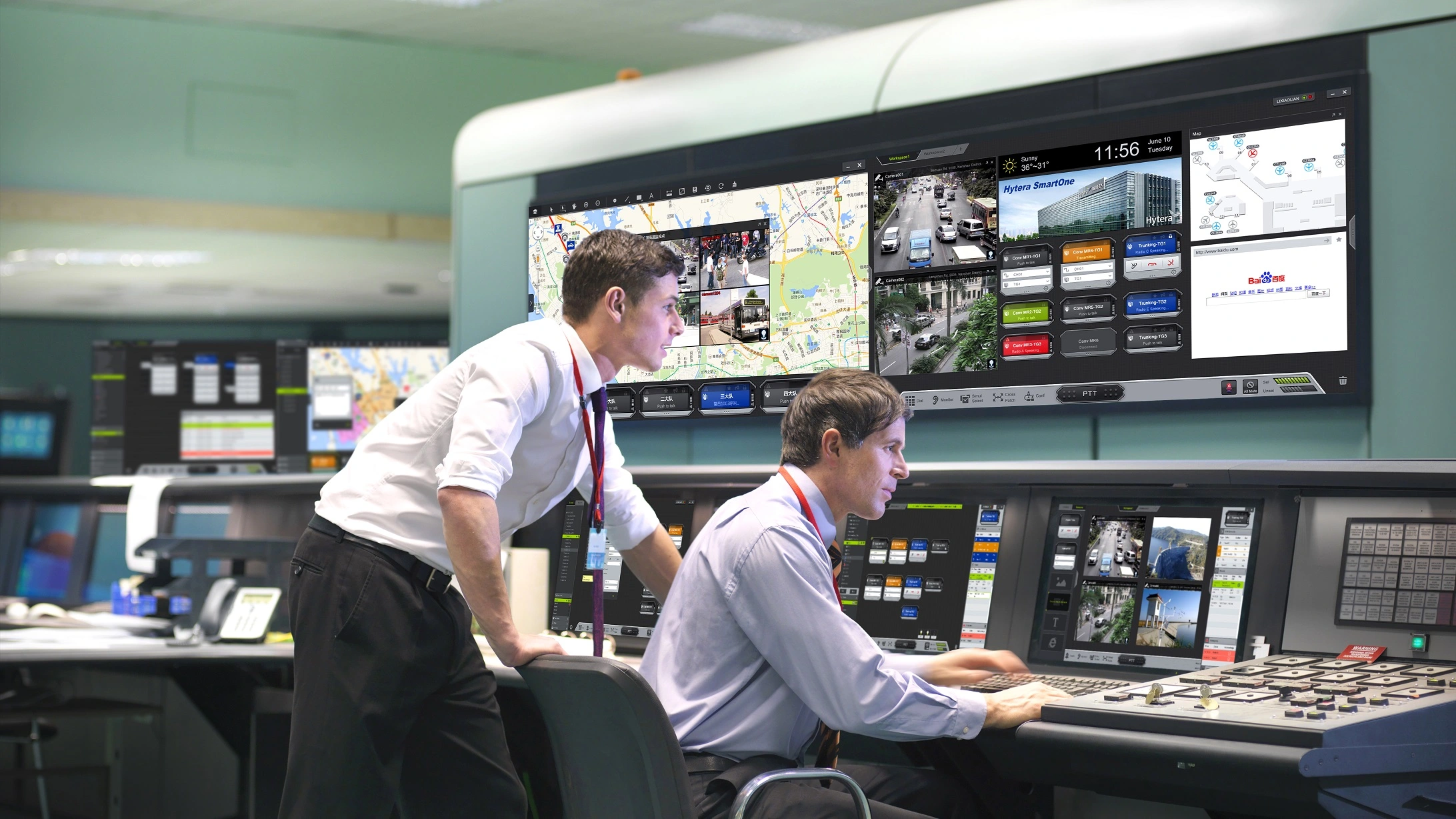
SmartOne: communication and dispatch
Unified dispatch to coordinate different networks and bring calls, location and visual context together in the control center.
- Priority calls and groups
- GPS, video and records
- Integration between networks
Why choose ABC Mais Telecom for Hytera systems
Results for operations that cannot stop.
Centralized operation
Radio, resources and incidents organized at the control center.
Scalability for the future
Capacity and sites sized for growth.
Wide-area coverage
RF planning and connectivity between sites.
Real-time monitoring
Location and status according to terminals and licenses.
Integration between teams
Voice, video and data according to the project's networks.
Specialist support
From deployment to keeping the operation running.
From planning to operation
How we deliver your project
From the initial assessment to support, every stage considers the operation, network and required integrations.
Assessment
We understand the operation, coverage and existing infrastructure.
Design
We define the network, capacity, redundancy and integrations.
Deployment
We install, configure and test the system.
Support
We support the operation and the network's evolution.
Shall we talk?
A more connected operation
with support from people who understand.
Find out with our team how to size Hytera systems for your operation.
How to choose and deploy communication systems
Answers to help organize your project before choosing a platform. Open the question that matches your operation; the linked guides explain each technology in detail.
DMR, TETRA or PoC/LTE systems: where to start?
Start with the work that needs to keep running, not the acronym. A maintenance team in a warehouse, a fleet traveling between cities and an incident-response center have different needs. Record where calls take place, who needs to talk to whom, which areas cannot lose communication and what information needs to reach the control center.
DMR systems serve professional radio networks; TETRA has its own infrastructure for critical communications; PoC uses data connectivity for push-to-talk communication. LTE is a broadband access technology, not the name of a single dispatch app. These options should therefore not be compared solely by the terminal's appearance.
To assess your scenario, gather a floor plan or list of the locations served, a description of shifts and the problems observed today. Separate mandatory requirements from future wishes. This distinction helps compare proposals with the same scope and avoids contracting a platform more complex than the team can operate. Consult the guides on DMR, TETRA and PoC/LTE.
System coverage and capacity: what is the difference?
Coverage means being able to establish communication where it is needed. Capacity means accommodating call traffic when several teams need to talk. These are different problems: an area can have signal and still experience waiting or competition for a channel. There may also be few users but coverage gaps caused by the environment.
In MOTOTRBO systems, IP Site Connect, Capacity Plus and Capacity Max represent different architectural paths. In Hytera's portfolio, conventional repeaters, XPT and DMR Tier III must likewise not be treated as interchangeable names. Selection requires checking the specific solution's features, configuration, terminals and licenses.
When describing the problem to ABC Mais Telecom, distinguish “I cannot hear in this corridor” from “I have to wait for another team to finish its call.” Provide peak periods, work groups and locations where the fault occurs. A demonstration outside busy hours does not necessarily represent the actual routine. Acceptance criteria must include relevant routes and operational load. See repeater projects and the DMR systems by manufacturer.
Dispatch systems: Smart Dispatch Plus, SmartOne or PremierOne CAD?
First identify what the operator needs to accomplish. Making calls, locating teams and consulting radio records differs from registering an incident, tracking its progress and dispatching resources through a response workflow. A screen with a map alone does not prove that two platforms perform the same process.
Hytera presents Smart Dispatch Plus as DMR dispatch software. SmartOne offers integrated communication and dispatch. Motorola Solutions PremierOne CAD handles incident response and computer-aided dispatch for public safety. The choice is not a contest between logos: it must match the type of organization, existing interfaces and intended workflow.
Prepare a service example: how a request arrives, who decides, which team is dispatched and how closure is recorded. Use this workflow when assessing the platform and check what requires an additional module, integration or configuration. Learn more on the pages for Smart Dispatch Plus, SmartOne and PremierOne CAD.
Can I keep my radios when changing systems?
It is a possibility to assess, not a guarantee based solely on the brand or the word “digital”. The survey must identify the model, frequency band, firmware version, enabled features and operating mode of each equipment group. Include repeaters, consoles and applications already involved in communication.
The useful question is not just whether the radio can make a call. It is whether it performs the required functions in the proposed architecture: groups, identification, signaling, location, emergency or other features specified in the project. Each function requires specific confirmation; a feature available in one product does not automatically become available in all the others.
Prepare a list of models and, where possible, photographs of their identification labels. Do not send passwords, programming keys or credentials through public forms. The technical team can advise on an appropriate channel for restricted information if needed. Also plan how teams will work during the transition: replacement by department, controlled testing, training and reverting to the previous configuration must be discussed before the change. The proposal must make clear what will be reused, updated or replaced.
How can systems at different sites be interconnected?
Separate communication within each site from the connection between them. A radio must reach the local infrastructure; interconnection between sites depends on the network design and planned links. Having internet in two buildings does not, by itself, demonstrate that all services will work with the required availability.
To discuss distributed systems, provide the addresses, indoor and outdoor areas, travel routes and teams that need to communicate between sites. Also identify who manages the data network and what changes can be made. This discussion must involve operations and IT from the start, avoiding the discovery of connectivity restrictions only during installation.
The project must explain expected behavior if a link fails: which local communications remain possible, which features become unavailable and how the team will be notified. Tests must reflect that condition within the agreed scope. Do not use a distance in kilometers as the only purchasing criterion. The goal is to demonstrate communication at the required points and document its limits. See the explanation of IP interconnection and DMR architectures to understand the alternatives before comparing equipment.
Are PoC systems and private LTE networks the same thing?
No. PoC describes a push-to-talk communication application over a data network. Private LTE infrastructure includes the access network itself and the components needed to operate it. Buying access to a platform is not the same as deploying that infrastructure on site.
Hytera's HyTalk, HyTalk Pro and HyTalk MC families have different purposes; PMR convergence or mission-critical features must not be automatically attributed to every PoC offering. At Motorola Solutions, deployable LTE infrastructure serves a different purpose from dispatch software. Check configuration terms and availability for the project.
Before choosing, describe the routes traveled, available connectivity, type of terminal used and consequences of an interruption. A demonstration in an office with a good network does not replace verification at the work site. Include in the planning those responsible for connectivity, the platform and terminals: these may be different roles. The pages on HyTalk, HALO PTX and Deployable LTE help distinguish these scopes.
How can video, map and location systems be integrated?
Define which decision each piece of information should support. A team's location can help with dispatch; an image can provide incident context; a history can enable later review. Displaying all data on one screen without defining who monitors it and how they respond can increase workload instead of improving service.
List the source of each piece of data, the systems that already store it and who is authorized to access it. Integration must be confirmed for the versions, interfaces and licenses involved. The project must also distinguish live information from previously recorded information and show the operator when a source is unavailable.
For the assessment, choose a real case without exposing personal data: locate a team, open the incident context and record the decision made. Ask which steps are automatic and which depend on the operator. Do not treat an illustrative image as proof of ready-to-use integration. See the page on CommandCentral Aware and the guide to dispatch and command center for more detail on the role of each application.
What should be required in the system proposal and acceptance process?
The proposal must clearly identify what will be delivered: equipment, software, licenses, deployment, configuration, training and support actually contracted. Optional services must be listed separately. Request a description of customer dependencies, such as network infrastructure, power, installation locations and team availability for testing.
To accept communication systems, turn broad objectives into verifiable situations. Examples: a team calls the control center from agreed locations; an operator locates a compatible terminal; an authorized user views a record; a profile without permission cannot access that function. Expected results must be agreed before execution, considering the chosen technical scope.
Record the test conditions, participants and limitations found. If anything remains outstanding, distinguish configuration, infrastructure and training, with defined responsibilities. The presence of an operational screen does not mean that the entire solution has been validated. This organization facilitates delivery, avoids differing interpretations between buyer and integrator and gives the team an objective reference for requesting support later. Timelines, availability and commercial terms are confirmed in the proposal, not assumed from the catalog.
How can system continuity be planned after deployment?
Identify who administers users, maintains configurations and receives reports when something stops working. This prevents a staff change from making the operation dependent on a shared password or undocumented knowledge. Access must match each person's responsibilities.
Define with the technical team which configurations need backups, how changes will be recorded and how a restoration can be tested. Do not treat an update as automatic maintenance without checking versions and integrations. The same applies when adding terminals, sites and work groups.
When contracting support, confirm channels, hours, responsibilities and what is or is not included. Maintenance, licensing, data infrastructure and application support can have different scopes. Keep a problem log with time, location, equipment and observed behavior, avoiding vague descriptions such as “the system went down.” This helps investigate the cause and distinguish an isolated fault from a recurring operational change. System growth must be reviewed when routines change, not only when equipment develops a fault.
How can I request a systems project from ABC Mais Telecom?
You do not need to arrive with the name of a software product already chosen. Explain your company's activity, where teams work and what difficulty you need to resolve: lack of communication in certain areas, coordination between sites, control center monitoring or incident recording. If you already have a preferred manufacturer or technology, it becomes a starting point for the assessment.
Provide existing models when known, the sites involved and processes that cannot be interrupted. Separate what is needed to get started from what can be included in a second phase. If the priority is maintaining a temporary operation, this must also be clear when comparing your own deployment with contracting alternatives.
When you request a quote from the solution pages, the form automatically identifies the subject and records the source page. You can therefore use the message field to explain your need without copying technical names or links. The final choice of systems depends on the requirements analysis and proposal. Use talk to a specialist to start this conversation; submitting it does not constitute a contract or automatic compatibility confirmation.
Manufacturer documentation: MOTOTRBO systems, Motorola Solutions · Repeaters and DMR systems, Hytera · HyTalk platforms.
Explore the solutions in detail
Details at ABC Mais Telecom. Open in a new tab.
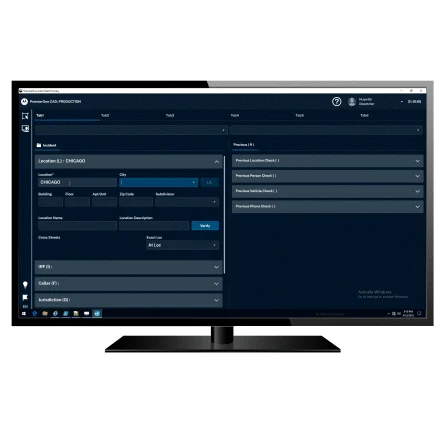 Motorola Solutions
PremierOne CAD: incident management and dispatch
View details
Motorola SolutionsCommandCentral Aware: real-time operational awareness
View details
Motorola SolutionsField Response & Reporting: information for field teams
View details
Motorola SolutionsPortable LTE infrastructure for temporary operations
View details
HyteraHytera Smart Dispatch Plus
View details
HyteraHytera SmartOne: communication and dispatch
View details
HyteraHyTalk, HyTalk Pro and HyTalk MC
View details Hytera
 HALO PTX: communication and management as a service
View detailsWhere does your team
need to communicate?
Select a situation. See the role of each part of the system and what the project needs to assess.
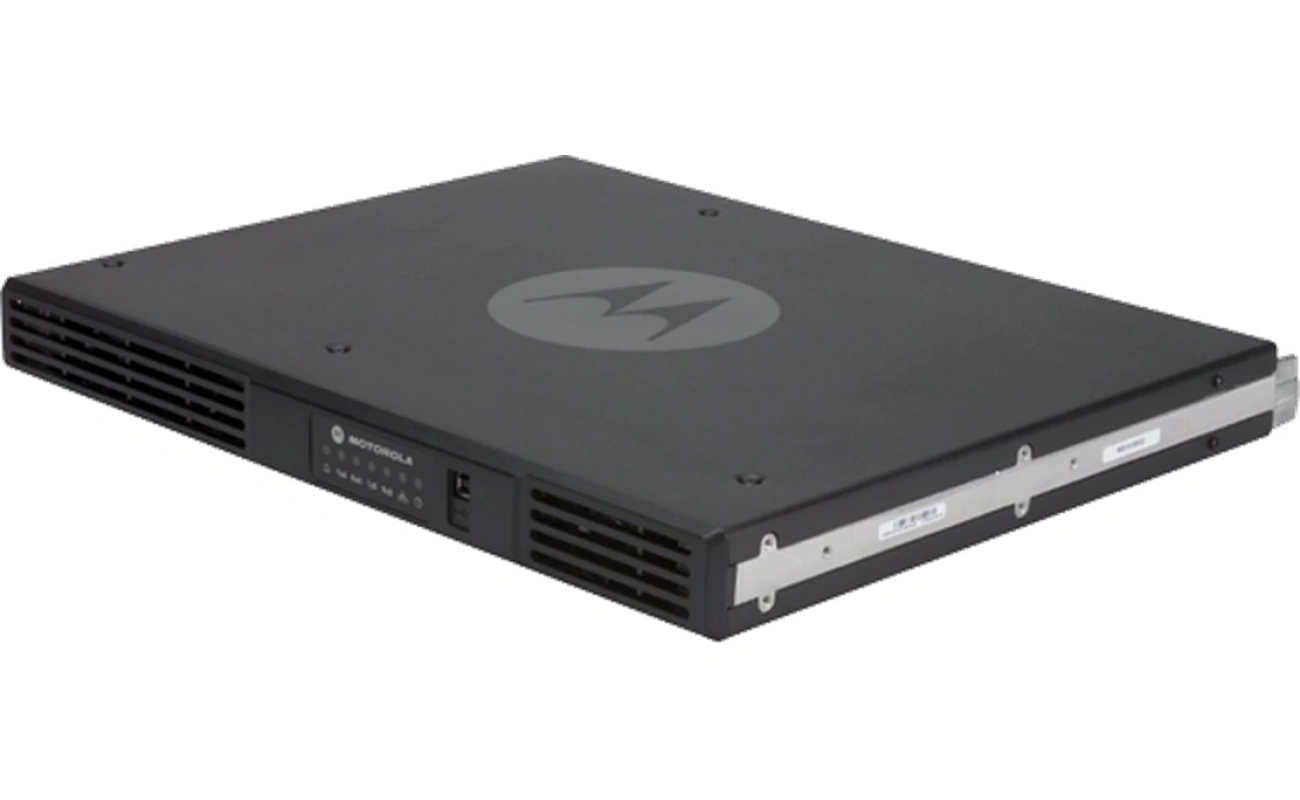
A repeater can be part of the project. Coverage depends on the site and installation.
A dead spot is not the same as a busy channel.
First, distinguish coverage from capacity. Physical barriers and the area to be served call for one assessment; many groups talking call for another.
- What to assess
- Environments, groups, simultaneous calls and existing equipment.
- Possible approaches
- Conventional radio, repeaters and systems such as Capacity Plus or XPT, depending on the scenario.
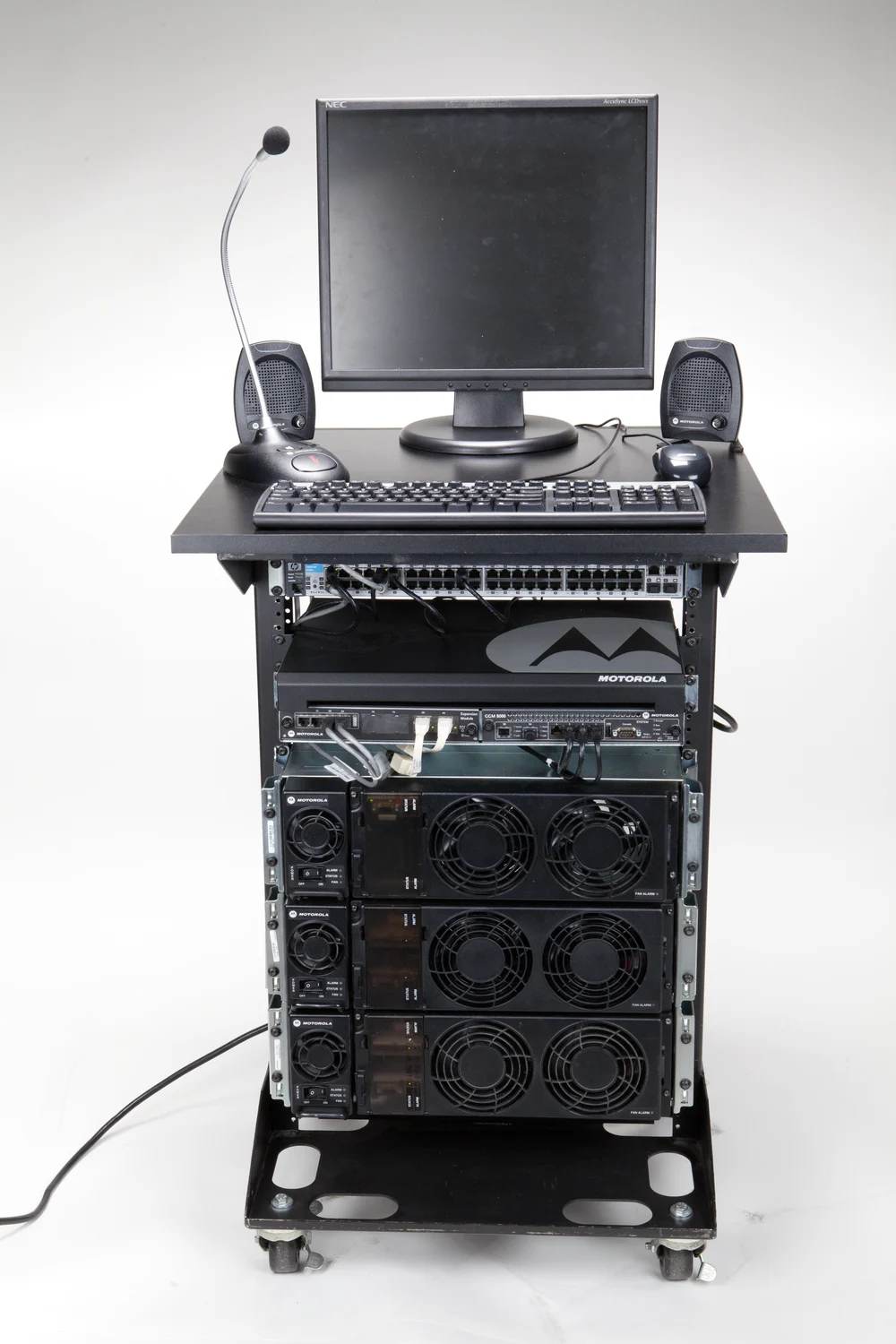
Motorola installation reference. Equipment, IP network and configuration are assessed for each site.
The conversation can continue beyond a single facility.
An IP link can connect separate radio coverage areas. Within each site, the portable radio continues to use the radio-frequency network.
- What to assess
- Connectivity between sites, coverage at each location, models and licenses.
- Possible approaches
- IP Site Connect and other compatible multi-site architectures. Interconnection does not automatically increase call capacity.
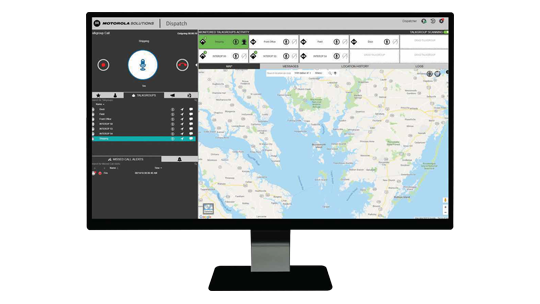
WAVE PTX reference interface. Connectivity, terminals and licenses are part of the solution.
The PTT button follows your team along its routes.
WAVE PTX and Hytera PTT solutions over data networks connect compatible terminals to the platform. They are not direct VHF or UHF communication.
- What to assess
- Network availability along routes, service, licenses, devices and dispatch requirements.
- Already have a radio network?
- Integration requires a compatible architecture. An app does not automatically connect every radio.
I already have radios. Do I need to replace everything?
That cannot be determined without identifying the models, configuration and requirements. Tell us what you already use when you get in touch. Compatibility, reuse and expansion are part of the assessment, without assuming the entire infrastructure must be replaced.
Motorola: compare architectures and equipment
Motorola Solutions
Coverage between sites, capacity on site or broadband PTT.
IP Site Connect and Capacity Plus are part of the MOTOTRBO radio ecosystem. WAVE PTX uses data networks and a cloud platform. The choice changes the infrastructure and how the service is contracted.
CONNECT COVERAGE AREAS
IP Site Connect
Connects MOTOTRBO repeaters over an IP network to share voice and data between sites.
Worth assessing for separate sites, buildings or areas with barriers where the same team needs to stay in communication.
Benefits and limitations
- Practical benefit
- Expands the area served by the network and allows roaming between compatible sites.
- What it does not solve on its own
- It is not trunking to increase simultaneous calls. The IP link and coverage at each site must be properly sized.
SHARE CHANNELS
Capacity Plus
Digital trunking: groups share a pool of channels allocated to calls.
Worth assessing for a site where maintenance, security, production and logistics compete for communication resources.
Benefits and limitations
- Practical benefit
- Uses the available channels according to demand, without reserving a fixed channel for each group.
- What to validate
- The single-site version must not be confused with Capacity Plus Multi-Site. Expansion, repeaters and licenses depend on the architecture.
PTT OVER DATA NETWORKS
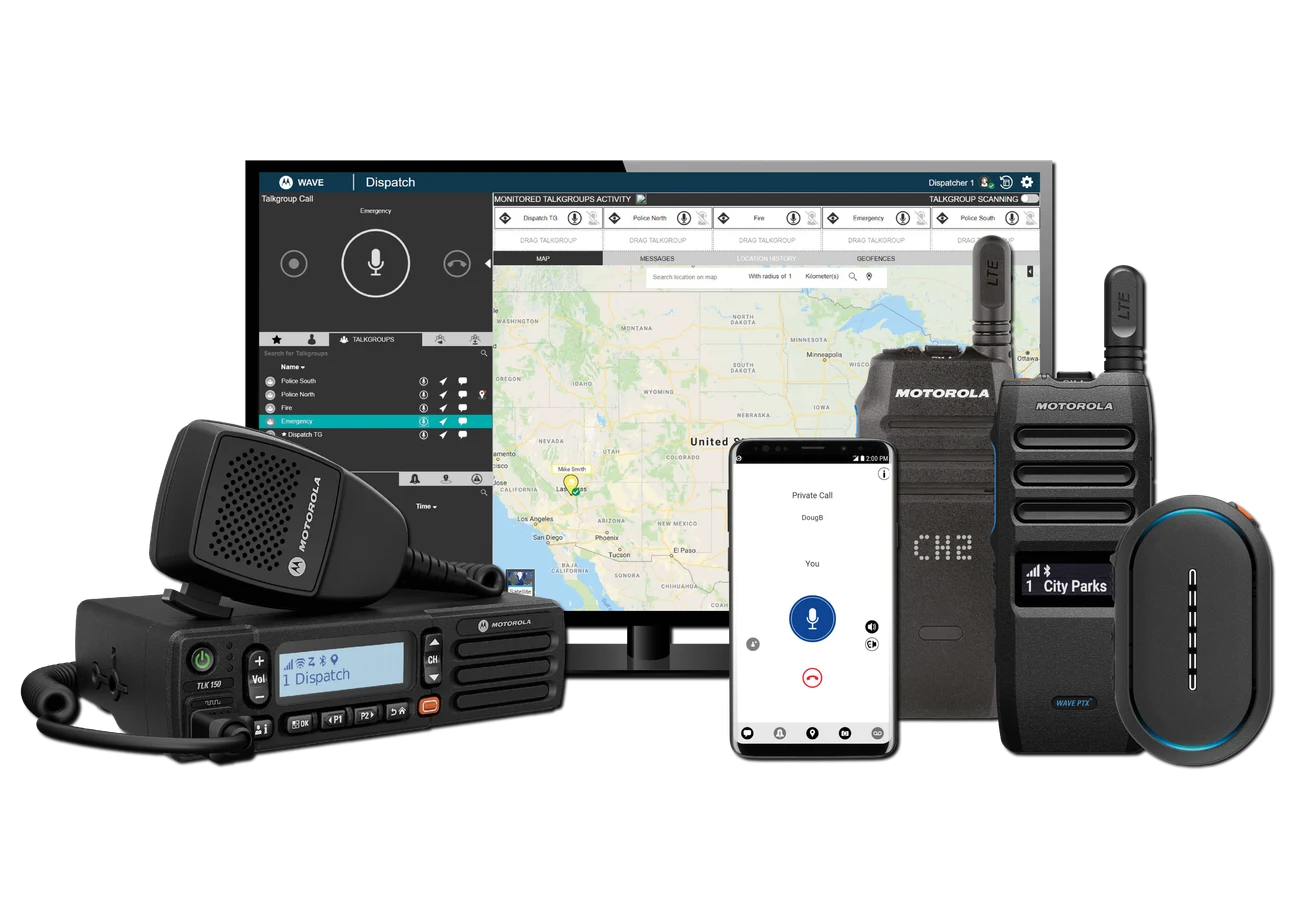
WAVE PTX
Subscription-based cloud PTT service with compatible terminals and application.
Worth assessing for supervisors, drivers and field teams who need group communication beyond the radio network's coverage area.
Benefits and limitations
- Practical benefit
- It brings different devices together in communication groups and may include dispatch depending on the license.
- What to validate
- Cellular or Wi-Fi coverage, data plan, subscription and devices. Connecting to a MOTOTRBO network requires compatible integration.
Hytera: compare XPT, HALO PTX and SmartDispatch
Hytera
XPT, HALO PTX and SmartDispatch serve different purposes.
XPT organizes radio-network use. HALO PTX connects terminals over data networks. SmartDispatch is a dispatch application for conventional DMR. These are not three names for the same system.
DMR NETWORK CAPACITY
XPT
Dynamically distributes calls among available channels without a dedicated control channel.
Worth assessing for operations with a compatible Hytera installed base that need to serve more groups or expand the network.
Benefits and limitations
- Practical benefit
- Uses channels for communication. It may allow a conventional network to evolve using compatible equipment.
- What to validate
- Model, firmware, licenses, repeaters and IP network. Being DMR does not automatically make a radio compatible with XPT.
MANAGED PTT SERVICE
HALO PTX
Combines PTT communication and management services on a platform for data-connected terminals.
Worth assessing for distributed teams that need communication and coordination supported by cellular or Wi-Fi connectivity.
Benefits and limitations
- Practical benefit
- Voice, location and dispatch can form part of the solution. Video features depend on the package and terminal.
- What to validate
- Connectivity along routes, devices, services and contracting options available in Brazil. HALO PTX is neither WAVE PTX nor an offline DMR radio.
CONVENTIONAL DMR DISPATCH
SmartDispatch
Client-server software for coordinating users on a conventional DMR Tier II network.
Worth assessing for control centers that need to talk to groups, consult records and track terminals with compatible GPS.
Benefits and limitations
- Practical benefit
- Brings calls and supervision features together in an operational interface.
- What to validate
- Licenses, server, integration and radio features. Software compatibility with XPT or other DMR networks requires specific validation.
International references describe the technology; they do not guarantee packages, devices or commercial terms in Brazil. The proposal must confirm these items for your operation.
Project with ABC Mais Telecom
The proposal must explain the whole system.
The radio is one part of the solution. To assess deployment or expansion, bring your usage scenario and existing equipment. The technical discussion should turn this into an architecture with clear dependencies and limitations.
Define what must keep working if power fails, a link goes down or the team moves out of coverage. Contingency planning is also part of the choice.
- Sites and routesIndoor areas, yards, buildings, distant sites and stretches without connectivity.
- Teams and peak periodsGroups that need to communicate with one another, simultaneous calls and operational priorities.
- Installed equipmentModels, bands, repeaters, antennas, versions and licenses already in use.
- Delivery criteriaCoverage and communication tests, group configuration, documentation and contracted support.
Questions that affect the decision
Before finalizing the architecture.
Avoid buying terminals before confirming how they will participate in the network.
Can Motorola and Hytera operate together?
There is no automatic compatibility between ecosystems. Even when radios use DMR, bands, programming, proprietary features and system modes must be checked. Gateway integrations depend on a supported solution and testing.
Does PoC work without internet?
Communication through the PoC platform depends on an available data connection. Do not confuse local storage or other terminal modes with offline operation of the service. For areas without connectivity, assess the radio network and contingency arrangements.
Do I need trunking to use a repeater?
No. A conventional network with a repeater can serve a defined operation. Trunking becomes a consideration when channel sharing and call demand justify a more complex architecture.
Is the investment only in equipment?
Not necessarily. The proposal must itemize the applicable infrastructure, installation, programming, licenses, connectivity, subscriptions and support. For subscription-based systems, recurring costs must be included in the comparison.