Repeaters and coverage projects

Repeaters to connect your entire operation.

ABC Mais Telecom designs the infrastructure that receives and retransmits the signal: repeater, antenna system, power, IP interconnection, programming and testing in the real environment.

  • Coverage planned for your environment
  • Motorola Solutions and Hytera
  • From a single point to an interconnected network
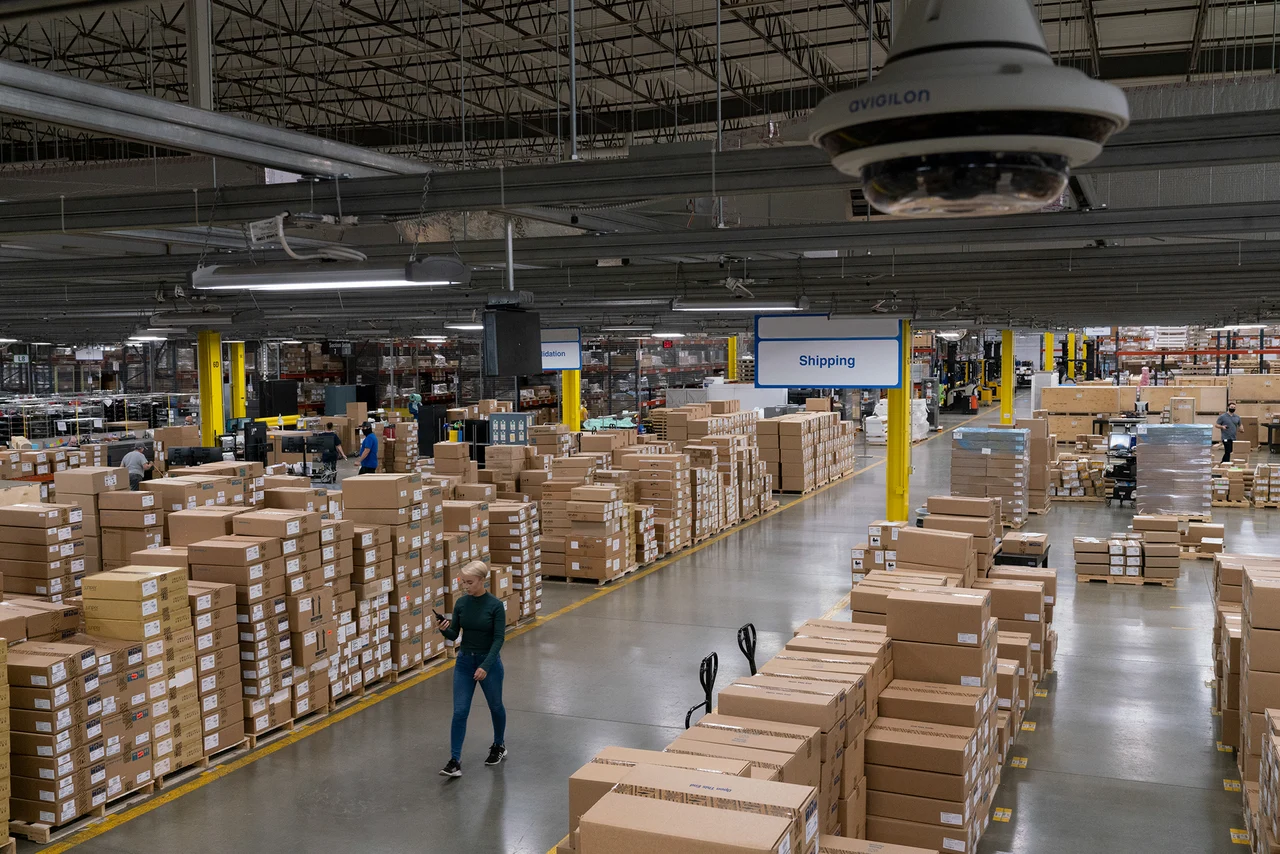
Logistics warehouse with metal structures and distant areas, a setting for coverage planning with radio repeaters
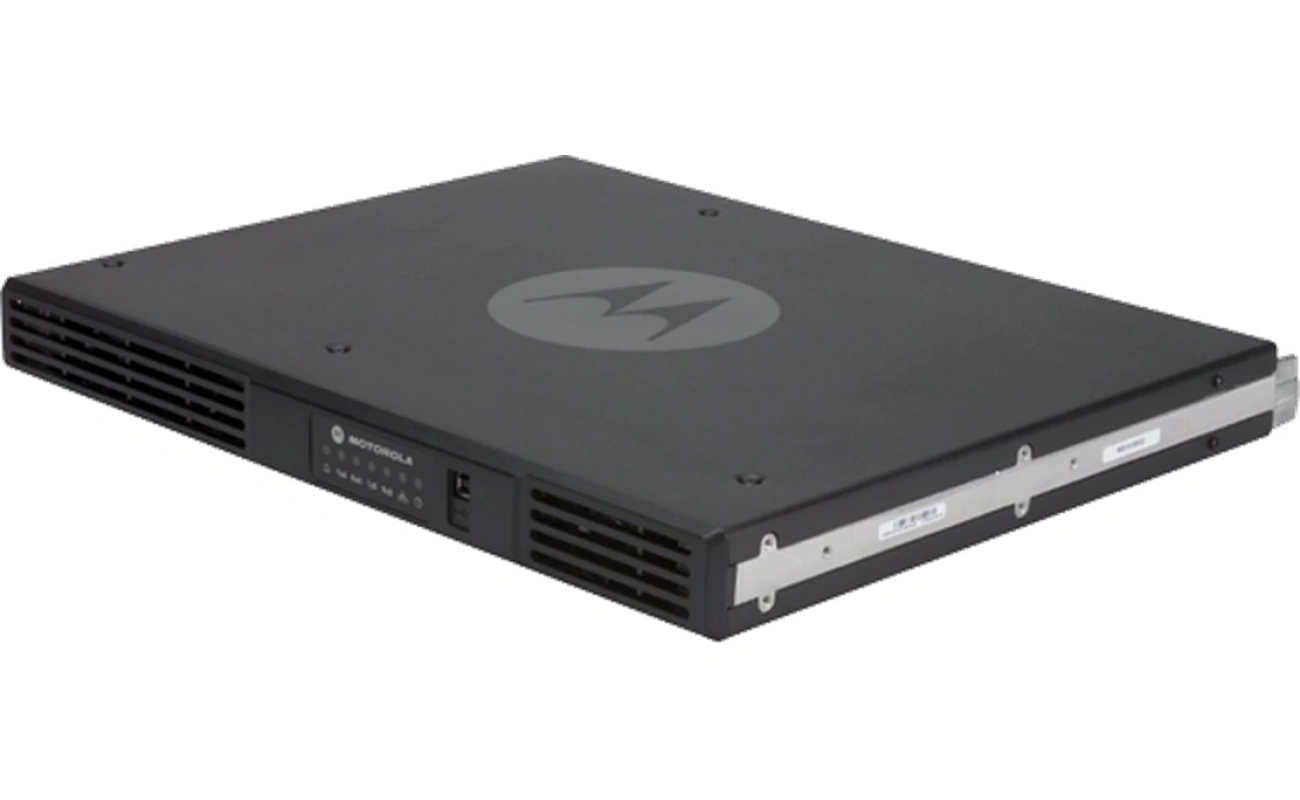
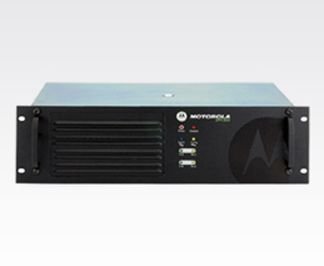
Motorola Solutions MOTOTRBO SLR 5100 repeater, official product photograph
MOTOTRBO SLR 5100Motorola Solutions reference in a 1U rack

Motorola Solutions

The repeater and architecture must be chosen together.

The SLR 5100 serves compact, scalable projects; the SLR 8000 raises the bar for power, modularity and availability. The surrounding system determines whether operation will be conventional, IP-linked or trunked.

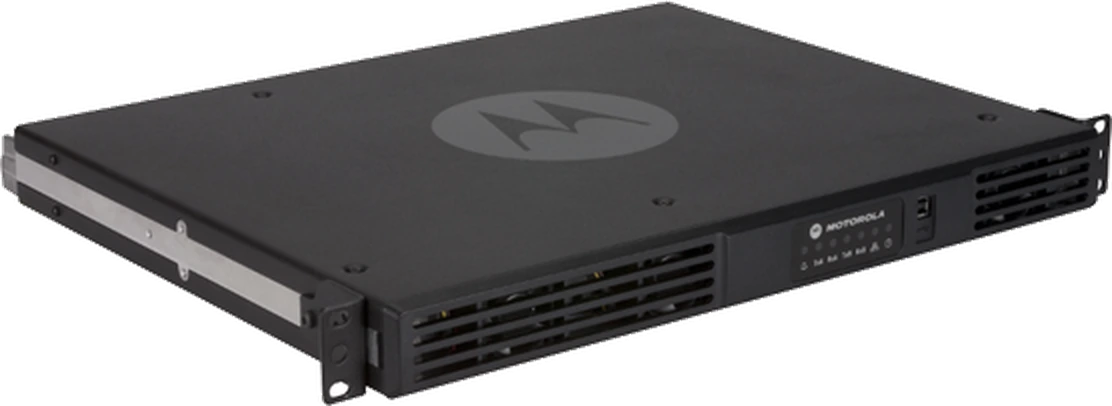
Motorola Solutions MOTOTRBO SLR 5100 repeater, catalog view
MOTOTRBO · 1U rack

SLR 5100

Voice and data platform for single-site MOTOTRBO systems or scalable architectures. The official data sheet specifies 64 channels, configurable power from 1 to 50 W and a 44 × 483 × 370 mm cabinet.

Bands
VHF and UHF options
Capacity
64 channels
Shape
1U for a 19” rack
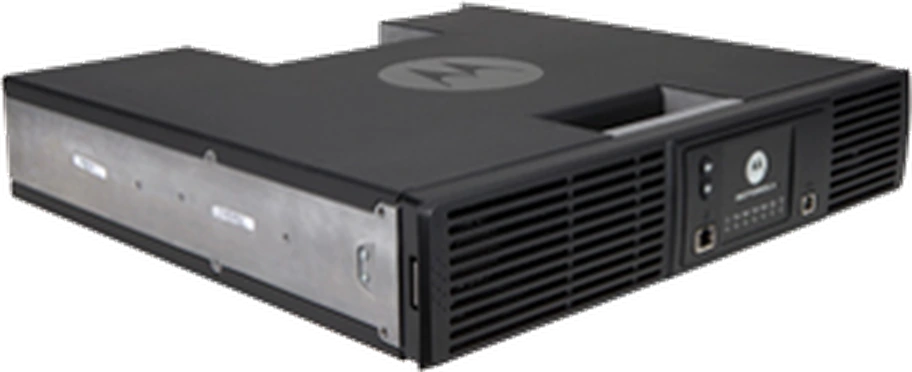
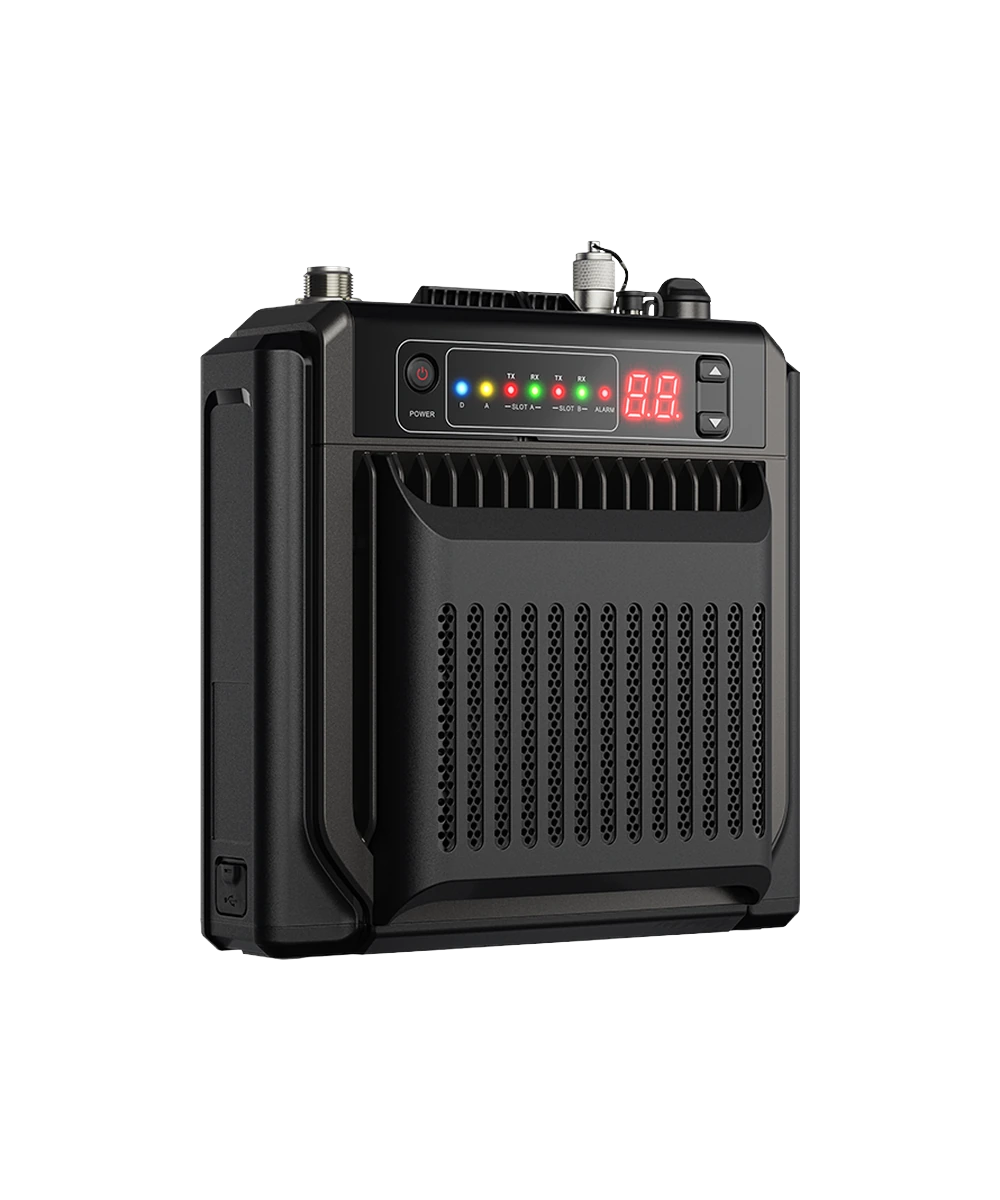
Motorola Solutions MOTOTRBO SLR 8000 repeater in a catalog view
MOTOTRBO · 2U rack

SLR 8000

Higher-power infrastructure with a modular configuration. According to Motorola Solutions, it operates continuously at up to 100 W, occupies 2U and supports everything from single-site conventional operation to IP Site Connect, Capacity Plus and Capacity Max.

Power
up to 100 W*
Capacity
64 channels
Shape
2U modular
*System configuration, authorized band and actual power depend on the project and applicable regulations.

From local coverage to the MOTOTRBO network

Architecture selection follows from users, groups, sites, traffic and criticality.

  1. ConventionalOne site, direct communication and streamlined infrastructure.
  2. IP Site ConnectUses an IP network to extend the system between geographically separate sites.
  3. Capacity PlusScalable digital trunking to increase channel utilization at a single site.
  4. Capacity MaxDMR Tier III trunked architecture for greater capacity, coverage and control.
View Motorola Solutions systems

Coverage engineering

From site assessment to coverage testing.

The antenna, cable losses, height, interference and power are sized alongside the repeater to serve the operation's critical areas.

1

Site assessment

Environment, critical areas, obstacles, routes, groups and call volume.

2

RF and frequency

Band, authorized channels, interference, power and radio fleet compatibility.

3

Antenna system

Antenna, duplexer, cable, connectors, grounding, protection and position.

4

Continuity

Power, battery/UPS where applicable, ventilation, access and contingency.

5

Field test

Programming, validation by area, adjustment and recording of results.

A building or warehouse

The challenge often lies in metal structures, technical areas, basements, loading docks and internal circulation.

  • Survey of dead spots
  • Position and antenna system
  • Testing with the actual radio fleet

Campus or outdoor area

Elevation differences, distance between buildings, vegetation and interference change the link design.

  • Height and line of sight
  • Protection and power
  • Roaming where compatible

Multiple sites

The data network becomes part of the system and requires availability, security and clear contingency rules.

  • IP interconnection
  • Capacity and groups
  • Degraded operation and support
How to choose

Do not start with power. Start with the operation.

Available frequency, number of users and groups, simultaneous traffic, locations served and expected continuity define the technology needed. Consult the guidance from Anatel on the Private Limited Service.

How many areas and sites need to communicate?

A single repeater site may serve one location. Dispersed sites may require IP Site Connect, IP Multi-site or another compatible system architecture.

Are there many simultaneous calls?

When conventional channels can no longer handle the traffic, trunked solutions such as Capacity Plus/Capacity Max or XPT may be included in the study.

Can the operation stop if power or network access fails?

The project must define backup power, failure behavior, monitoring and operating procedures, not just the repeater model.

Can the existing radios be retained?

It depends on band, protocol, licenses, features and programming. The same frequency or channel position does not prove compatibility.

Next step

Tell us where communication fails today.

The ABC Mais team organizes the assessment: environment, fleet, critical points, number of users, availability and growth potential.

What does a repeater
do for communication?

It creates an intermediate path for the call. Actual coverage depends on the environment and must be verified on site.

Team in operationThe radio transmits the call
Repeater + antennaReceives and retransmits the signal
Team at another locationThe compatible radio receives it

Conceptual diagram, not to scale. Radio frequency, protocol and programming must be compatible.

Industrial environment with structures and circulation areas that must be included in the coverage study
COVERAGE ENGINEERING

The equipment is one part of the system

Antennas, cables, positioning, programming and integration define the result. ABC Mais Telecom assesses the site and proposes an architecture suited to the operation.

Talk to a specialist

Indoor environments

Buildings, warehouses, hotels, hospitals and condominiums with physical barriers.

Extensive areas

Industrial, logistics, rural and security operations distributed across the territory.

Multiple points

Integration between departments, sites and teams that need to share channels.

Continuity

Planning for stable communication at the operation's relevant locations.

From survey to support: how the project progresses
HOW THE PROJECT PROGRESSES

Four steps to reliable coverage

01

Assessment

We assess the area, obstacles, teams and routine.

02

Sizing

We define the architecture, equipment and installation.

03

Deployment

We program, install and test the system.

04

Follow-up

We guide the team and provide technical support.

Integration of repeaters, sites and digital systems
DIGITAL SYSTEMS

When the operation needs to go beyond a single repeater

MOTOTRBO and DMR networks can combine repeaters, sites and dispatch capabilities. The architecture must be chosen according to coverage, capacity and workflow.

POSSIBILITIES
  • Conventional digital communication
  • Integration between sites
  • Greater channel capacity
  • Dispatch and operational supervision
Compatibility and applications for each environment
Which equipment and technologies are part of the discussion?

Motorola: the SLR5100 is part of the MOTOTRBO ecosystem. The manufacturer lists the repeater for conventional operation, IP Site Connect and Capacity Plus; the architecture, licenses and terminals must be compatible.

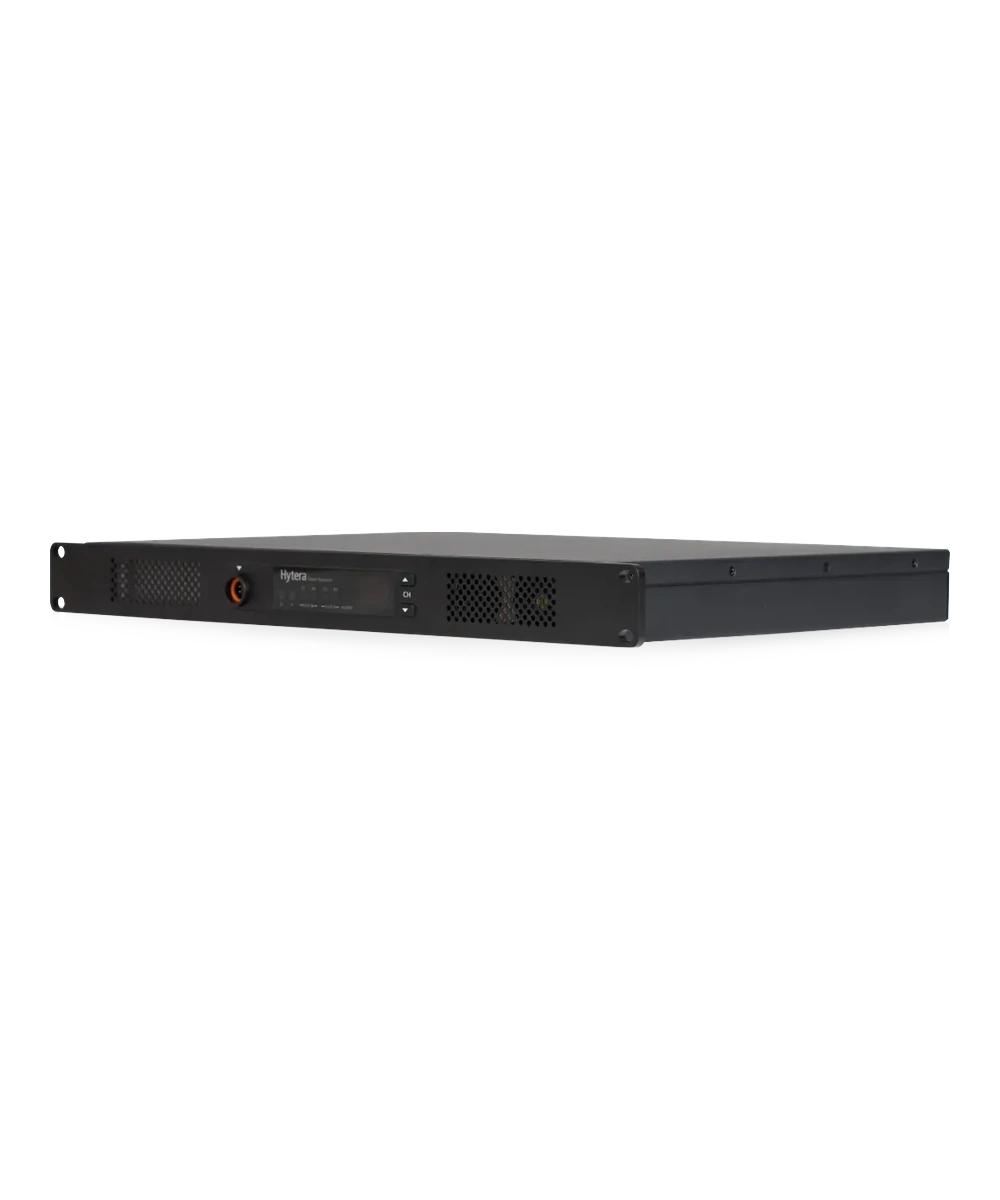
Hytera: the HR1066 supports analog and digital channels and IP linking. Hytera presents the HP7 portable radios and HM7 mobile radios alongside the HR1066 in its DMR solution.

Before combining: check the frequency band, protocol, programming and licensed features. Being DMR does not make every combination or application automatically compatible.

APPLICATIONS

Projects designed for the real environment

Industry

Communication between production, maintenance and security.

Logistics

Coordination of yards, warehouses and movements.

Condominiums

Contact between the gatehouse, security and support teams.

Events

Coverage planned for production and operations.

FREQUENTLY ASKED QUESTIONS

Before choosing a repeater

Request an assessment
Can a repeater fix every dead spot?

No. The result depends on the site assessment, positioning and complete system.

Can more than one site be interconnected?

Yes, specific architectures exist for connecting sites. The choice depends on the infrastructure and operation.

Does ABC install and program the system?

The project may include sizing, installation, programming, testing and support. Scope, responsibilities and terms are defined in the proposal.