
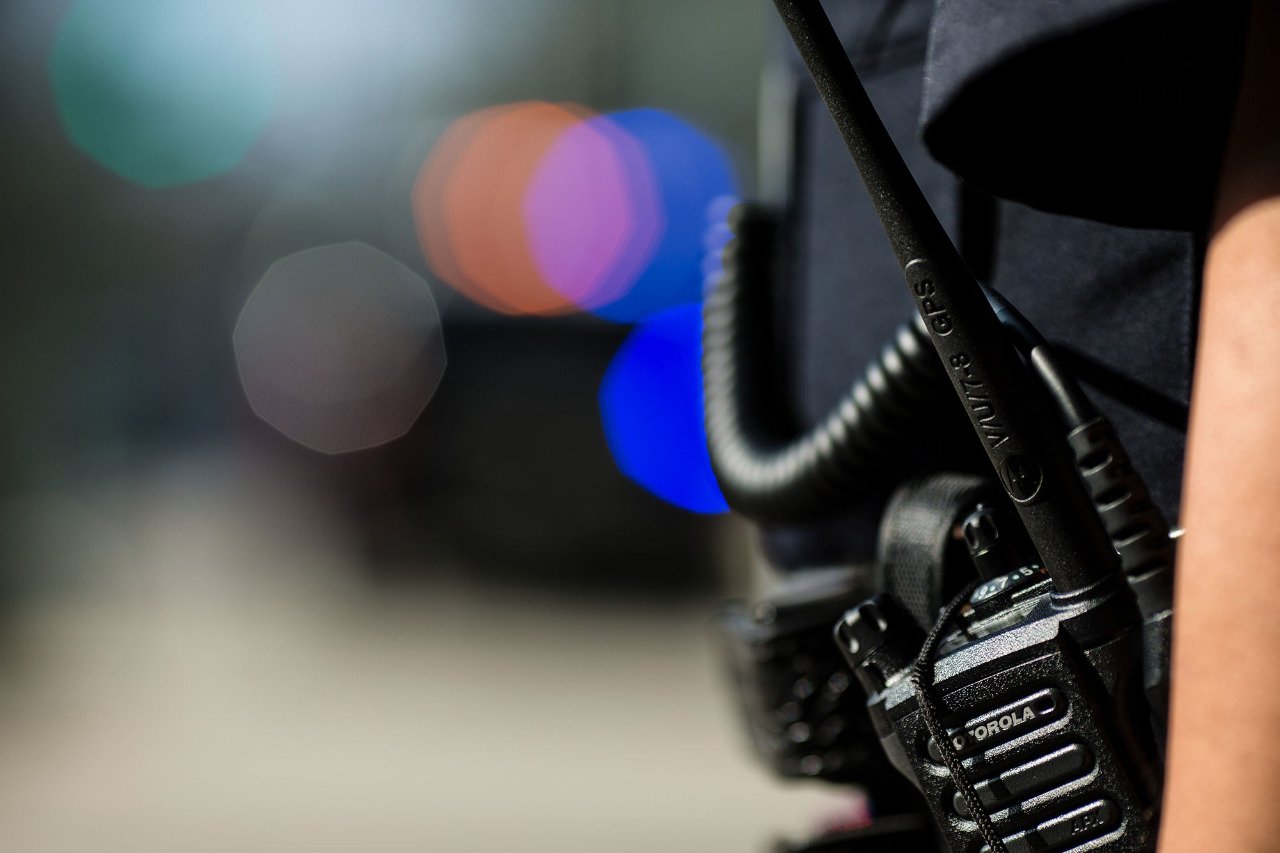
PoC two-way radio: how it works and when to use it
Broadband PTT communication
The PoC two-way radio brings the push-to-talk experience to mobile and Wi-Fi networks. Rather than depending only on local RF coverage, communication follows the availability of the operator and platform.
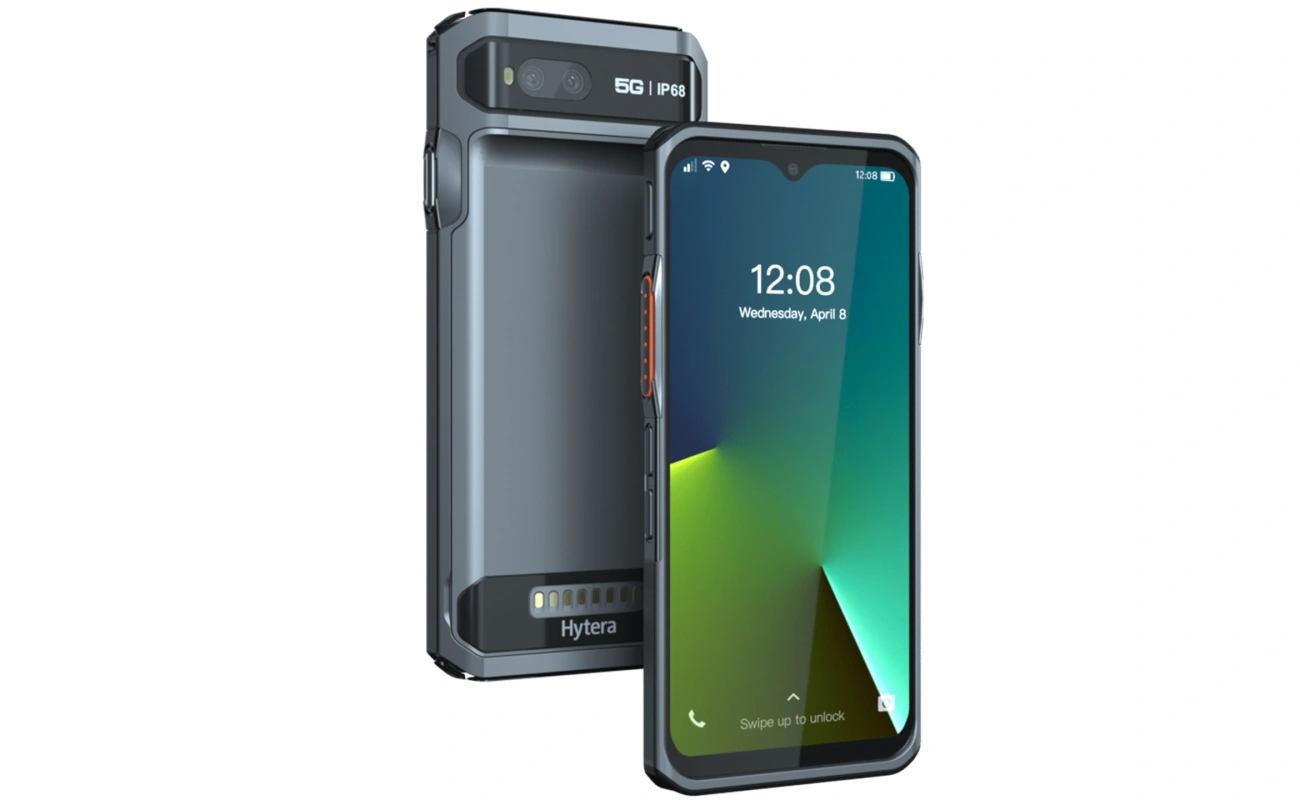
How does a PoC two-way radio work?
PoC stands for Push-to-Talk over Cellular. The terminal sends voice through a data connection and communication service, allowing individual or group calls with PTT operation. Depending on the platform, supervisors can also monitor users from a dispatch console.
The form factor may resemble a conventional radio, but the architecture differs. It includes a SIM, data plan, server or cloud service, app and user management. Availability depends on this entire chain.
PoC and conventional radios address different problems
| Criterion | PoC | Conventional radio |
|---|---|---|
| Medium | Mobile or Wi-Fi network and platform. | Radio frequency, direct or through infrastructure. |
| Distance | Can connect distant areas with data coverage. | Limited to RF design and repeaters. |
| Dependencies | Operator, SIM, data, service and network power. | Licensing, programming and own infrastructure where applicable. |
| Management | Console, groups and location depending on the platform. | Features vary by DMR system and applications. |
| Continuity | Must account for data failure or absence. | Can operate locally without a mobile network. |
Hybrid devices also combine broadband and DMR. They can connect different environments but increase design, licensing and management requirements.
When PoC is usually considered
Groups can bring together distant users where data is available.
Communication, location and dispatch can be part of the same workflow.
A console facilitates calling, organization and visibility depending on the platform.
Can reduce local infrastructure while accepting mobile network dependence.
PoC should not be the automatic answer for every outdoor operation. If work requires communication without public coverage, a conventional network or hybrid solution may be needed.
The briefing that avoids surprises
- Map cities, routes, basements and areas without coverage.
- State available operators and the company's SIM policy.
- Define groups, private calls and supervision levels.
- Check GPS, dispatch and recording needs.
- Plan contingencies for data or platform failures.
- Compare monthly fees, equipment, support and management in the total cost.
ABC Mais Telecom helps compare PoC, conventional DMR and hybrid portfolio options, always considering actual operations.
A controlled pilot is especially useful for PoC. Select representative routes and times, record locations without data, measure call setup time and test recovery after signal loss. Include field users and the dispatcher in the assessment. The experience of people working the route reveals problems an office demonstration cannot show.
The service contract deserves the same attention as the terminal: check user administration, retention policy, support, updates and exit procedures. Companies need to know how to block a lost device, transfer a license and maintain correct groups when people change roles.
Frequently asked questions
Does PoC work without a SIM card?
Some terminals can use Wi-Fi, but communication depends on a data connection and compatible platform.
Does PoC need a repeater?
Not like a conventional radio. It uses mobile or Wi-Fi network infrastructure.
Is there a monthly fee?
Connectivity and platform service costs usually apply. The commercial model varies.
Does PoC work anywhere?
No. Availability depends on coverage, data quality and service operation.
PoC two-way radio: connectivity briefing
Before adopting a PoC two-way radio, map 4G, Wi-Fi and coverage gaps.
- ✓ Define users and groups for the PoC two-way radio.
- ✓ Validate the platform, management and monthly fee for the PoC two-way radio.
- ✓ Plan contingencies for the PoC two-way radio when data fails.
Testing the PoC two-way radio needs to reproduce actual travel, noise and coverage.
Sources and references
PoC, DMR or a hybrid solution?
Describe where teams work, which operators are available and what needs to happen when the data signal fails.
